
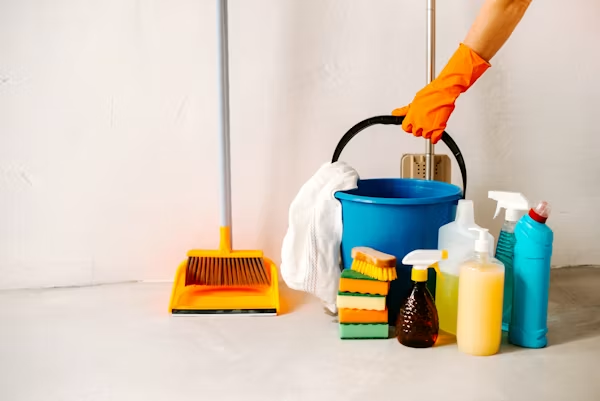
Walk down the cleaning aisle of any supermarket, and you’ll find products for almost every surface, room and household task. From specialist bathroom sprays to separate cleaners for every floor, it’s easy to accumulate a cupboard full of bottles that promise to make cleaning quicker and easier.
But how many of these products do you actually need?
Discover 10 cleaning products you don’t need in your home. Save money, reduce clutter, and explore simpler eco-friendly alternatives for a cleaner home.
-
Separate Window and Glass Cleaners
For everyday cleaning, a microfibre cloth and warm water often remove fingerprints, dust and light marks from windows, mirrors and glass surfaces. Dry with a clean cloth to avoid streaks.
-
Specialist Floor Cleaners
Do you really need a different bottle for wood, laminate, vinyl and tiled floors? Not necessarily. A suitable general-purpose floor cleaner may be sufficient for several surfaces, provided the manufacturer’s care instructions allow it. Always check before using water or cleaning products on wood and other delicate flooring.
-
Expensive Oven Cleaners
Powerful oven cleaners can contain harsh ingredients and produce irritating fumes. For lighter soiling, try warm water, washing-up liquid and a non-abrasive sponge, following your oven manufacturer’s guidance. Heavily soiled ovens may still require a specialist product, but routine maintenance can reduce the need.
-
Dedicated Stainless-Steel Cleaners
Specialist stainless steel sprays can be useful, but they’re rarely essential for everyday cleaning. A soft microfibre cloth dampened with warm water and a little washing-up liquid will usually remove fingerprints and food splashes. Wipe with the grain and dry thoroughly.
-
Disposable Cleaning Wipes
Disposable wipes create ongoing waste and can become an expensive habit. Reusable cloths, washable sponges and microfibre pads can perform many of the same everyday tasks. Wash reusable cloths regularly and keep separate ones for different cleaning jobs.
-
Air Freshener Sprays
Air fresheners often mask unpleasant smells rather than remove their source. Instead of routinely spraying fragrance around your home, open windows when appropriate, empty bins regularly, clean drains as needed, and tackle spills promptly. Good ventilation and cleanliness are often more effective than adding another scent.
-
Dedicated Bathroom Surface Sprays
You may not need separate products for the bath, washbasin, tiles and shower screen. A mild bathroom cleaner can often handle several of these tasks. However, limescale, mould and stubborn soap deposits may require targeted treatment. Always follow product instructions and use the correct cleaner for the surface.
-
Furniture Polish
Furniture polish can help some finishes look their best, but frequent polishing isn’t necessary for every piece of furniture. A soft, dry microfibre cloth will remove everyday dust from many surfaces. For delicate, waxed or antique furniture, follow the manufacturer’s or conservator’s recommendations.
-
Carpet Deodorising Powders
If your carpets smell unpleasant, using a fragranced powder may only provide a temporary solution. Regular vacuuming, prompt attention to spills and appropriate carpet cleaning are usually better starting points. Check carpet-care instructions before applying powders or other treatments, particularly if you have pets.
-
Multiple Specialist Degreasers
It’s easy to buy different degreasers for kitchen cupboards, cooker hoods, splashbacks and other greasy surfaces. In many cases, warm water and washing-up liquid will tackle ordinary grease effectively. Keep a specialist degreaser for stubborn deposits, when necessary, rather than buying several products with overlapping purposes.
A Simpler, Greener Cleaning Cupboard
The secret to an effective cleaning routine isn’t having a different product for every task. It’s choosing a small number of suitable products and using them correctly.
For many households, a practical starting point includes washing-up liquid, a suitable multi-purpose cleaner, a bathroom cleaner, a targeted limescale remover where needed, and reusable microfibre cloths. Add specialist products only when a particular job genuinely requires them.
Remember that eco-friendly cleaning isn’t just about what’s in the bottle; it’s also about how much you buy, how often you use it and how much waste you create.
Never mix cleaning products, particularly bleach with acidic cleaners or ammonia, as dangerous gases can be released. Always read labels, ventilate rooms appropriately and keep cleaning products away from children and pets.
By cutting out unnecessary products, you can simplify household chores, save money and reduce waste without compromising on cleanliness. Your cupboards — and the environment — may benefit from having a little less in them.
http://www.thegreenbroom.co.uk